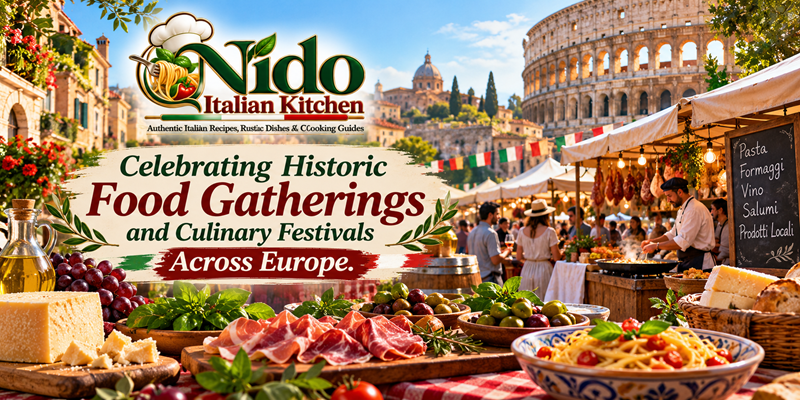
Celebrating Historic Food Gatherings and Culinary Festivals Across Europe – Food has always served as much more than simple fuel. Historically, European communities used communal feasts to celebrate harvests, religious holidays, and regional unity. Today, historic food gatherings remain a vital part of European culture. These celebrations preserve ancient recipes and traditional cooking methods for future generations.
Celebrating Historic Food Gatherings and Culinary Festivals Across Europe
Furthermore, local food festivals highlight the strong connection between geography, history, and flavor. By exploring these annual events, we can better understand how European food traditions continue to thrive in the modern world.
The Historical Significance of European Culinary Gatherings
In ancient times, farmers tied their major feasts directly to natural harvest cycles. As a result, seasonal festivals marked the successful gathering of crops before winter arrived. These celebrations allowed whole villages to share their food abundance and strengthen local friendships.
1. Preserving Regional Culinary Identity
European cuisine relies heavily on distinct regional identities. For example, neighboring towns frequently prepare the exact same dish using entirely different ingredients. Food festivals protect these unique regional recipes. Therefore, local communities can easily resist the pressure of modern commercial food standardization.
2. Passing Down Artisanal Cooking Techniques
Many food festivals showcase traditional skills that modern factories cannot recreate. For instance, master cooks demonstrate how to stretch pasta dough by hand or age raw cheese in natural stone caves. Consequently, these festive events act as living museums for historical culinary craftsmanship.
Prominent Historic Food Festivals Across Europe
Every year, thousands of eager visitors travel across Europe to attend famous food celebrations. These lively events offer travelers an authentic taste of historic local specialties.
Italy: The Sacred Tradition of the Sagra
In Italy, locals call a regional food festival a sagra. Usually, a sagra focuses on one specific ingredient produced by local farmers.
-
Sagra del Tortellino (Emilia-Romagna): This annual festival in Castelfranco Emilia celebrates the historical origin of handmade tortellini pasta. During the event, local elders show young cooks how to fold fresh pasta dough correctly.
-
Festa della Bistecca (Tuscany): This lively festival celebrates the famous Florentine T-bone steak. Local cooks grill high-quality beef over open wood fires right in the center of historic village squares.
France: Celebrating Agriculture and Local Terroir
French food gatherings usually center on the concept of terroir. This concept explains how local soil, weather, and geography influence the taste of farm produce.
-
Fête du Citron (Menton): This colorful festival along the French Riviera celebrates citrus farming. Local artists build massive, impressive sculptures using thousands of fresh lemons and oranges.
-
Fête des Vendanges (Montmartre, Paris): This famous wine festival takes place right in the middle of Paris. The event honors the historical urban vineyard of Montmartre and celebrates the autumn grape harvest.
Spain: Vibrant Public Feasts
Spanish food festivals combine rich culinary pride with energetic public celebrations. In fact, these gatherings highlight the Spanish passion for sharing meals outdoors with neighbors.
-
La Raima (Pobla del Duc): This historical grape festival marks the official end of the annual fruit harvest with dancing and large public dinners.
-
Fiesta del Marisco (Galicia): Located in the coastal town of O Grove, this world-famous festival celebrates fresh Atlantic seafood. Chefs serve fresh octopus, mussels, and crabs to hungry crowds.
How Historic Festivals Influence Modern Dining
The continued popularity of traditional food festivals actively shapes modern international dining trends in several meaningful ways.
-
Focus on Seasonal Ingredients: Modern restaurants now adopt the classic farm-to-table philosophy. Consequently, chefs prefer to source fresh, seasonal produce directly from local farmers.
-
Protection of Rare Heritage Foods: Public interest in culinary history helps protect rare heirloom vegetables and traditional livestock breeds from extinction.
-
Growth of Culinary Tourism: Food lovers frequently organize international vacations around historic festival dates. As a result, travelers can support local food producers directly.
Summary of Regional Festival Features
-
Italy: Italian festivals focus heavily on single ingredients and regional pasta recipes. Furthermore, local elders host live cooking demonstrations in public squares.
-
France: French celebrations highlight local agriculture and autumn grape harvests. In addition, communities organize formal wine tastings and colorful parade processionals.
-
Spain: Spanish gatherings emphasize coastal seafood and large communal meals. Moreover, locals enjoy open-air dining alongside lively music and traditional dancing.
Preserving Our Shared Food Heritage
In our fast-paced modern world, historic European food gatherings play a crucial protective role. They remind us that food connects deeply to human history 1MPO GACOR, local geography, and community bonds. By continuing to celebrate regional dishes through annual festivals, European communities ensure their rich culinary traditions remain vibrant for many years to come.