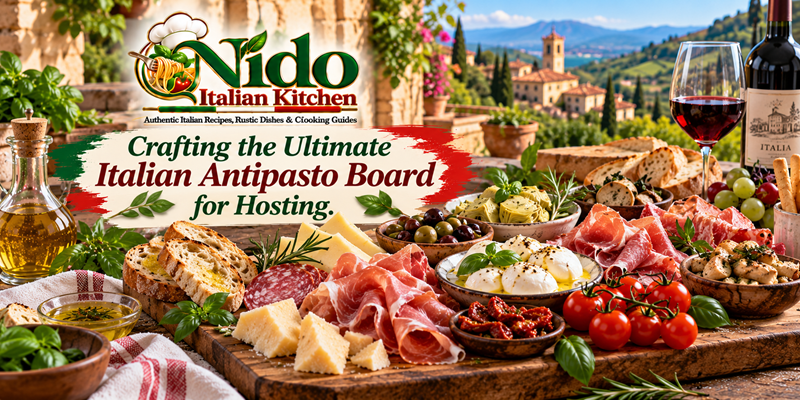
Crafting the Ultimate Italian Antipasto Board for Hosting – In traditional Italian dining culture, hospitality begins long before the main course arrives at the table. The term antipasto literally translates to “before the meal.” Historically, an Italian antipasto platter serves as a vibrant opening statement that stimulates the appetite and encourages lively conversation among guests.
Crafting the Ultimate Italian Antipasto Board for Hosting
Rather than presenting a random assortment of snacks, crafting a balanced board requires careful attention to flavor contrasts, textures, and visual presentation. In this educational guide, we will explore the essential components and arrangement techniques for crafting the ultimate Italian antipasto board. By following these professional hosting rules, you can create a memorable centerpiece for your next social gathering.
The Four Essential Pillars of an Authentic Antipasto Board
A successful antipasto board balances contrasting flavors, ranging from salty and rich to sour and sweet. Including items from four primary food categories guarantees a harmonious tasting experience.
1. Artisanal Cured Meats (Salumi)
Cured meats form the savory backbone of a classic antipasto arrangement. Select three to four cured meats with varying textures and fat profiles.
-
Prosciutto di Parma: Silky, thinly sliced cured pork leg offering a sweet, delicate flavor.
-
Salame Milano or Felino: Firm cured sausage seasoned with garlic, black pepper, and wine.
-
Coppa or Capocollo: Marbled pork shoulder providing a spicy, savory taste.
-
Mortadella: Delicate Italian cold cut studded with creamy fat cubes and pistachios.
2. Regional Italian Cheeses (Formaggi)
Incorporate a mix of hard, soft, aged, and fresh cheeses to provide diverse textures for your guests.
-
Parmigiano-Reggiano: Aged hard cheese offering a sharp, nutty flavor and crystalline texture.
-
Gorgonzola Dolce: Creamy, mild blue cheese that pairs beautifully with sweet spreads.
-
Pecorino Romano: Aged sheep’s milk cheese delivering a salty, tangy kick.
-
Fresh Mozzarella or Burrata: Soft, creamy cheese that balances salty cured meats effortlessly.
3. Marinated Vegetables and Pickled Accents (Sott’Olio e Sotto Meto)
Acidic and pickled items cut through the fat of rich meats and cheeses, cleansing the palate between bites.
-
Marinated Artichoke Hearts: Tender artichoke quarters preserved in extra virgin olive oil and herbs.
-
Giardiniera: Crunchy pickled vegetables including cauliflower, carrots, and bell peppers.
-
Italian Olives: Mix buttery Castelvetrano green olives with dark, savory Gaeta olives.
-
Sun-Dried Tomatoes: Intense, sweet, and chewy tomatoes that add vibrant red color.
4. Artisanal Breads and Sweet Elements
Provide sturdy carb foundations alongside sweet spreads to unify the savory board components.
-
Crunchy Crusty Bread: Sliced ciabatta or rustic sourdough toasted lightly with olive oil.
-
Grissini: Tall, crisp Italian breadsticks that add structural height to your board.
-
Sweet Condiments: Fig jam, wildflower honey, and fresh grapes balance sharp cheeses perfectly.
Step-by-Step Styling and Presentation Rules
Assembling an antipasto board requires artistic placement so guests can navigate the spread easily.
Phase 1: Choose the Right Serving Base
Select a large wooden cutting board, marble slab, or slate platter. Natural materials enhance the rustic beauty of artisanal ingredients.
Phase 2: Place Small Bowls First
Position small ceramic bowls containing olives, pickled vegetables, and honey across the board first. These bowls act as structural anchors for the surrounding loose ingredients.
Phase 3: Fold and Drape Meats
Avoid laying cured meat slices completely flat. Instead, fold prosciutto slices into loose ribbons or roll salami into small cones. Creating volume makes the board look abundant and appealing.
Phase 4: Slice and Section Cheeses
Leave hard cheeses partially crumbled using a cheese knife to display their natural internal grain. Slice semi-firm cheeses into neat triangular fan patterns nearby. Classic Margherita Pizza: Simplicity and Quality Ingredients
Phase 5: Fill Empty Gaps
Fill remaining spaces with clusters of fresh grapes, dried figs, walnuts, and fresh basil sprigs. A truly professional board shows virtually no bare wood underneath.
Core Hosting Rules for Antipasto Success
-
Temperature Control: Remove cheeses from the refrigerator thirty minutes before serving so their full aromas develop naturally.
-
Utensils Provided: Place dedicated knives, small spoons, and toothpicks near each item to ensure clean serving.
-
Portioning Guide: Plan for roughly two to three ounces of meat and cheese per guest for an appetizer course.
Summary of Ingredient Pairing Logic
| Food Category | Recommended Selection | Complementary Pairing |
| Silky Meats | Prosciutto di Parma | Fresh sweet melon or creamy Burrata |
| Aged Cheeses | Parmigiano-Reggiano | Aged balsamic vinegar or wildflower honey |
| Acidic Accents | Giardiniera & Olives | Rich Mortadella or fatty Salame |
| Crunchy Carbs | Grissini & Ciabatta | Soft Gorgonzola or olive oil dips |
Conclusion
Crafting the ultimate Italian antipasto board for hosting relies on balance, ingredient quality, and thoughtful presentation. By combining savory cured meats, regional cheeses, tangy pickled vegetables, and crisp breads, you offer guests an authentic taste of Italian dining tradition. Apply these layout techniques at your next gathering to create an inviting, delicious centerpiece that sets the perfect tone for your meal.