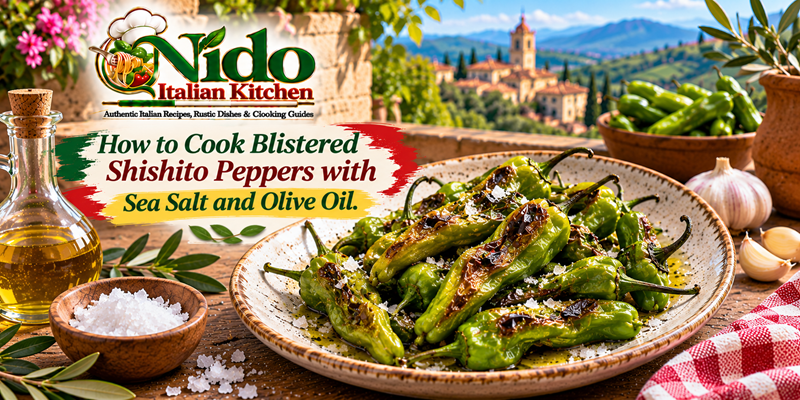
How to Cook Blistered Shishito Peppers with Sea Salt and Olive Oil – In modern dining culture, simple and quick appetizers have gained immense popularity across global menus. While complex preparations offer sophisticated flavors, minimalist dishes highlight the natural beauty of raw ingredients. Among popular finger foods, blistered shishito peppers dressed with sea salt and extra virgin olive oil stand out as a beloved choice.
How to Cook Blistered Shishito Peppers with Sea Salt and Olive Oil
These small, thin-walled green peppers deliver a mild, sweet, and slightly smoky flavor profile when seared properly. In this educational culinary guide, we will analyze how to cook blistered shishito peppers with sea salt and olive oil. By mastering high-heat cooking and precise seasoning, you can create a restaurant-quality small plate in just ten minutes.
Understanding the Profile of Shishito Peppers
Before starting the cooking process, understanding the unique botanical traits of shishito peppers helps ensure a great dining experience. Pan-Fried Polenta Bites with Herbs and Garlic
1. East Asian Heritage and Global Popularity
Shishito peppers originated in East Asia, particularly Japan, where cooks traditionally seared them as side dishes. The name shishito derives from the Japanese word for lion, reflecting the wrinkled tip of the pepper, which resembles a lion’s face. Today, Mediterranean and Italian-inspired tapas bars feature blistered shishitos as a classic small-plate sharing item.
2. The Mild Flavor and Heat Roulette
Generally, shishito peppers offer a mild, sweet taste without intense heat. However, approximately one in every ten peppers contains a surprisingly spicy kick. This natural variation in heat levels adds a fun, interactive element when sharing a plate with guests.
Essential Ingredients for Maximum Flavor
Because this dish relies on only three core items, choosing high-grade ingredients remains critical for culinary success.
1. Fresh Shishito Peppers
Select firm, bright green shishito peppers with smooth skin and fresh green stems. Avoid soft or wrinkled peppers, as high moisture loss prevents crisp charring during cooking.
2. High-Smoke Point Extra Virgin Olive Oil
Use a high-quality extra virgin olive oil to sear the peppers. The oil coats the skin evenly, conducting high heat rapidly to create delicate, charred blisters without burning the flesh.
3. Coarse Flaky Sea Salt
Finish the cooked peppers with high-grade coarse sea salt or Maldon flake salt. Flaky salt crystals provide a pleasant crunch while enhancing the natural smoky sweetness of the charred skin.
Step-by-Step Cooking Technique for Blistered Shishito Peppers
Achieving deep charring while keeping the inner pepper flesh tender requires high heat, dry skin, and rapid execution.
Phase 1: Thorough Washing and Drying
Wash the fresh peppers under cool water to remove surface dust. Next, dry every single pepper completely using clean paper towels. Removing external surface moisture is critical, as trapped water droplets cause dangerous hot oil splatters and steam the peppers instead of blistering them.
Phase 2: Preheating the Heavy Skillet
Place a heavy cast-iron skillet or stainless steel pan over medium-high heat for roughly three minutes. A hot pan is essential for searing the pepper skins rapidly. Pour in one to two tablespoons of extra virgin olive oil once the skillet becomes hot.
Phase 3: High-Heat Pan Searing
Add the dry shishito peppers into the hot oil in a single layer. Ensure the pan is not overcrowded so every pepper touches the hot metal surface directly. Allow the peppers to cook undisturbed for two minutes until the bottom skins puff up and turn charred and white.
Phase 4: Tossing and Blistering
Toss the peppers gently using tongs or a spatula to sear the remaining sides. Continue cooking for another two to three minutes until the pepper skins blister evenly around all edges. The peppers should collapse slightly while remaining bright green.
Phase 5: Finishing with Flaky Sea Salt
Transfer the blistered peppers immediately onto a warm serving platter. While the oil remains hot on the skins, sprinkle coarse flaky sea salt generously over the top. The salt crystals stick directly to the warm oil, creating a savory outer crust.
Key Rules for Cooking Success
-
Dry Skin First: Ensure peppers are completely dry prior to cooking to achieve a true sear.
-
Intense Skillet Heat: Preheat your pan thoroughly to blister the skin without overcooking the inside.
-
Single Layer Arrangement: Avoid crowding the pan so the peppers fry rather than steam.
-
Immediate Seasoning: Apply flaky sea salt right after removing the peppers from the skillet.
Summary Comparison of Cooking Methods
| Feature | Cast-Iron Pan Searing | Oven Roasting Method |
| Cooking Speed | Fast (5 minutes total) | Moderate (12 to 15 minutes) |
| Skin Blistering | Deep, dark, and crunchy blisters | Soft, uniform, and lighter char |
| Internal Texture | Tender yet crisp bite | Softer and more collapsed texture |
| Oil Usage | Minimal oil required for flash frying | Requires heavier oil coating |
Conclusion
Learning how to cook blistered shishito peppers with sea salt and olive oil proves that incredible flavor requires minimal kitchen effort. By utilizing a hot cast-iron skillet, drying the produce thoroughly, and finishing with flaky sea salt, you create an addictive small plate. Serve these blistered peppers hot alongside fresh lemon wedges or creamy garlic aioli to offer your guests a memorable, interactive appetizer.